Schreien (SCREAMING) – Eine Forschungsreihe / a research series (#1)
Schreien (SCREAMING) is a project about screaming as screaming. In collaboration with colleagues, friends and experts, Antonia Baehr explores this form of expression as a sovereign entity, detached from causal baggage and intelligible language, looking at the thing itself: the sound and the form, the music, the choreography and the drama, the rhythm and the gesture – and not least the silent, soundless scream.
The lab series brings together colleagues, friends and experts who engage with screaming in practical, performative or scientific ways. Vocalists, composers, choreographers, performers, feminist activists and anthropologists are invited to work with screaming and share their knowledge within the group.
In parallel, the first public performative research presentation will take place on May 10th. During this event, Baehr will perform a selection of new screaming scores written for them and for the audience. Approximately four of these pieces will be presented, each in the presence of its author and performed in the form originally intended.

photo: Anja Weber
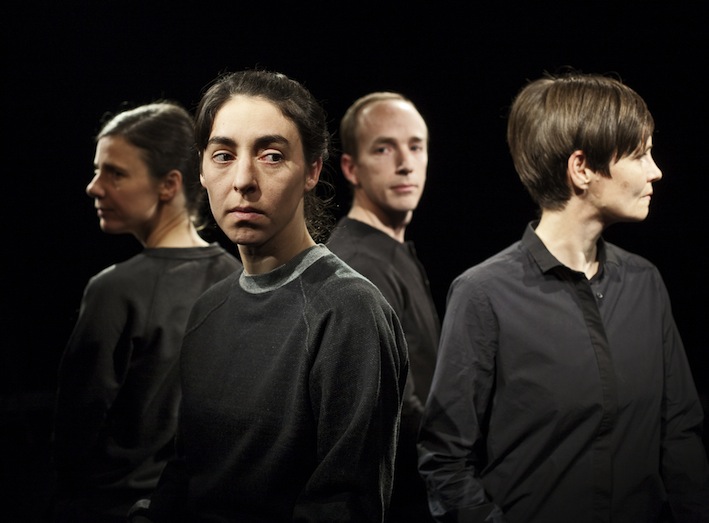
photo: Anja Weber
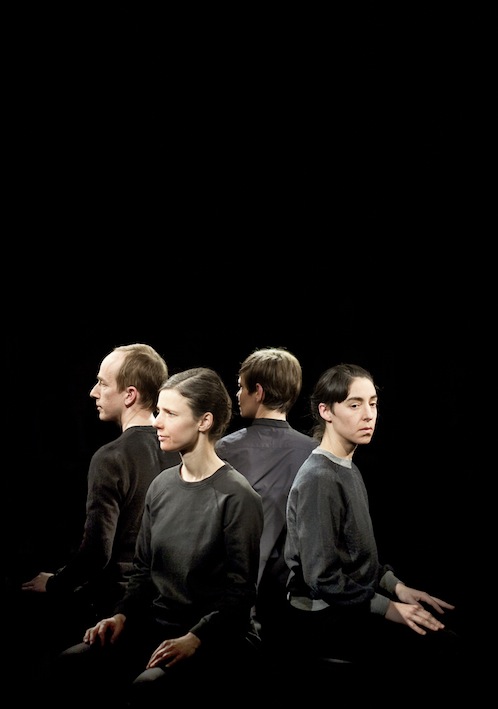
photo: Anja Weber
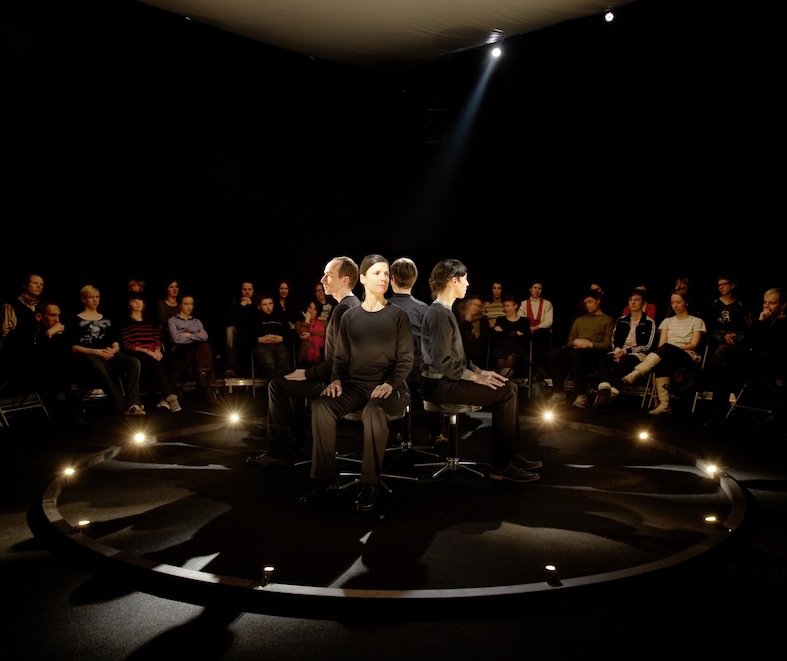
photo: Anja Weber
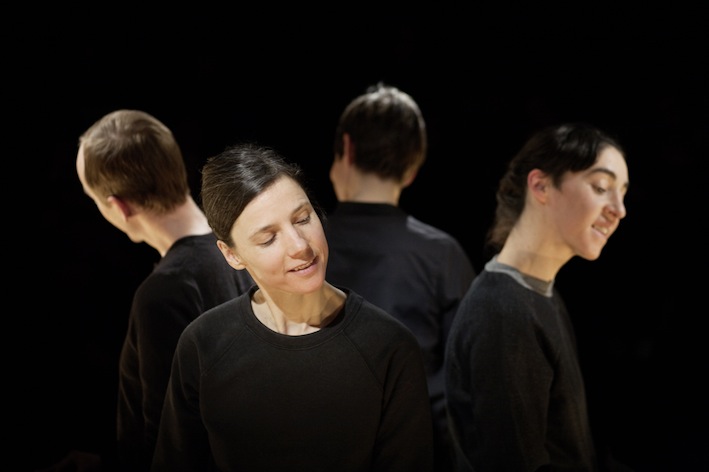
photo: Anja Weber
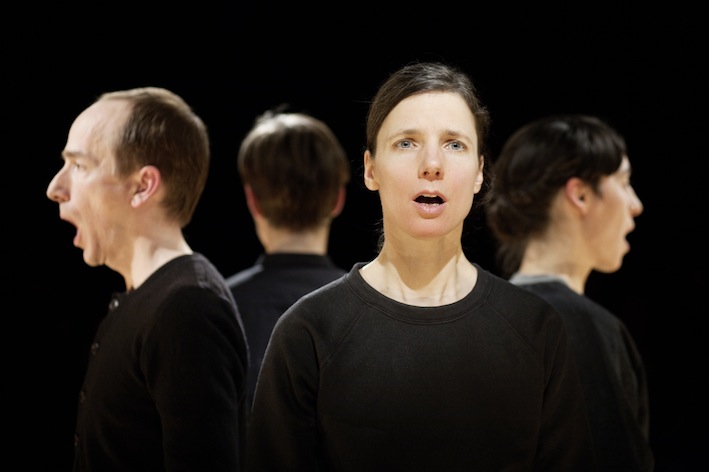
photo: Anja Weber
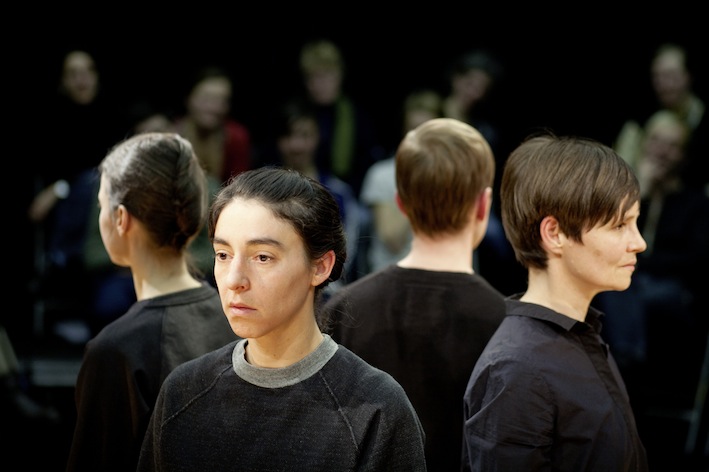
photo: Anja Weber
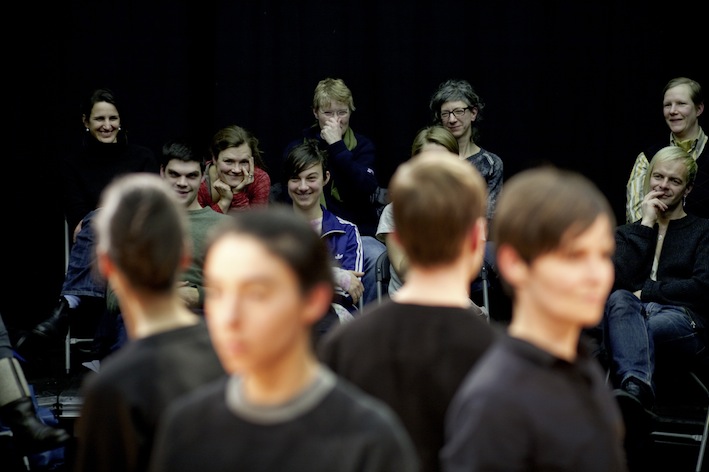
photo: Anja Weber
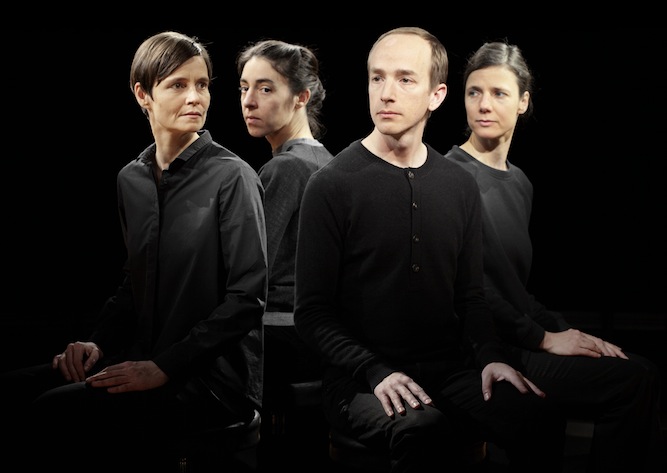
photo: Anja Weber
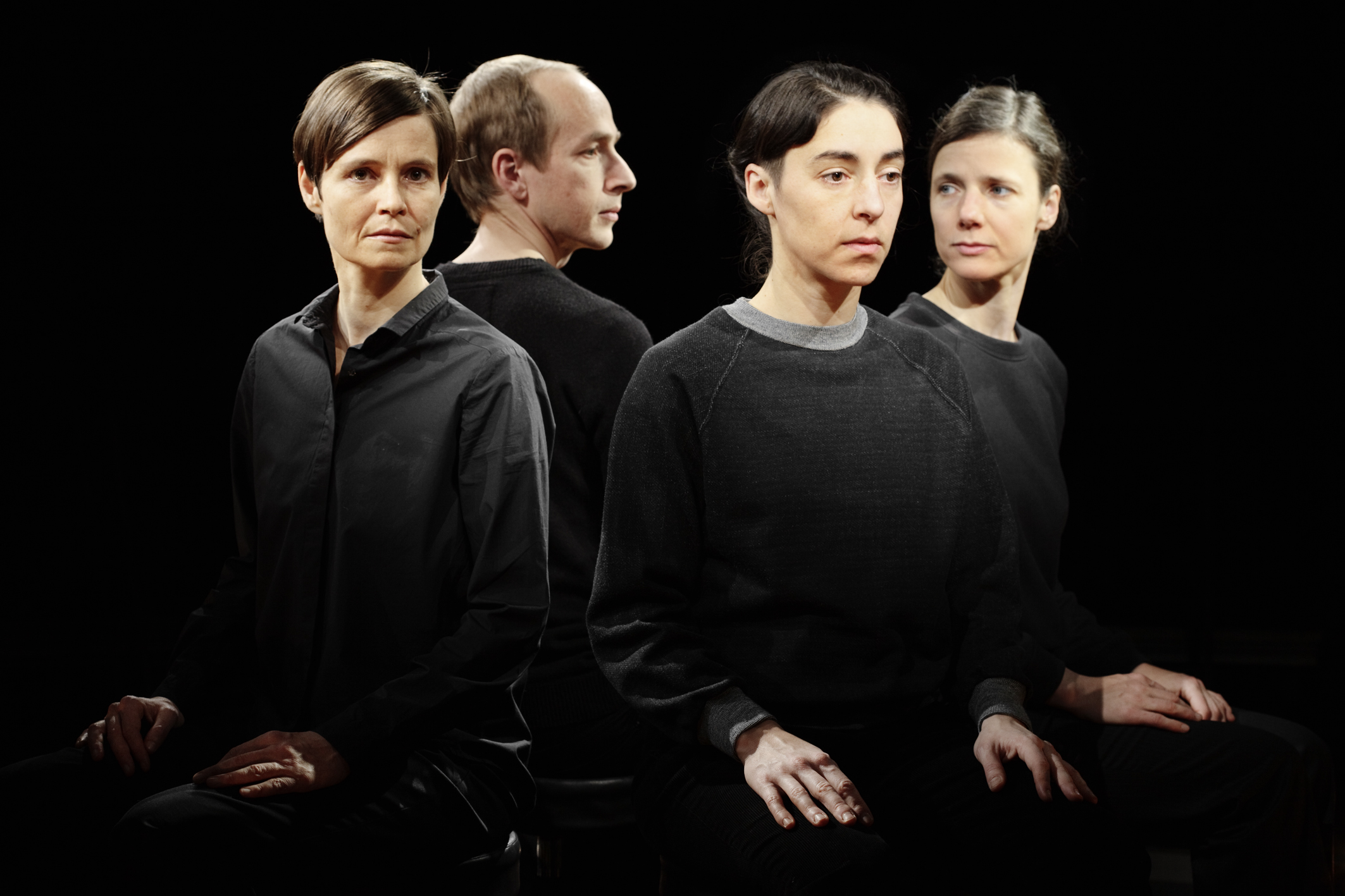
photo: Anja Weber
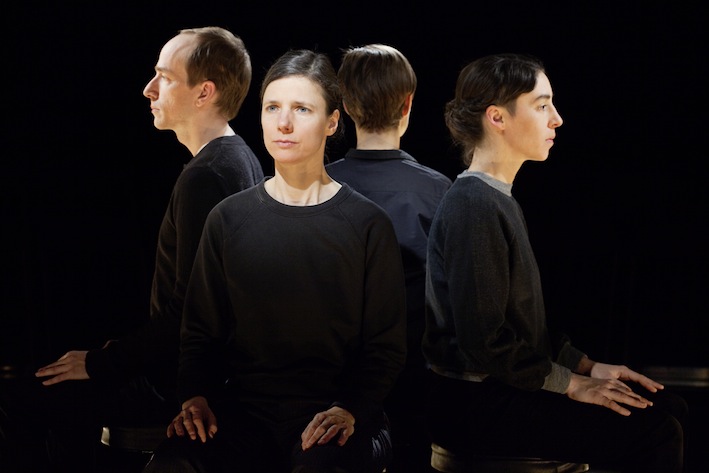
photo: Anja Weber
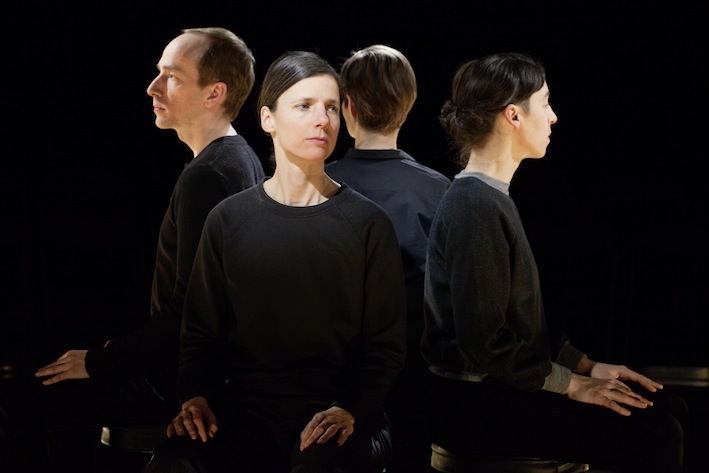
photo: Anja Weber
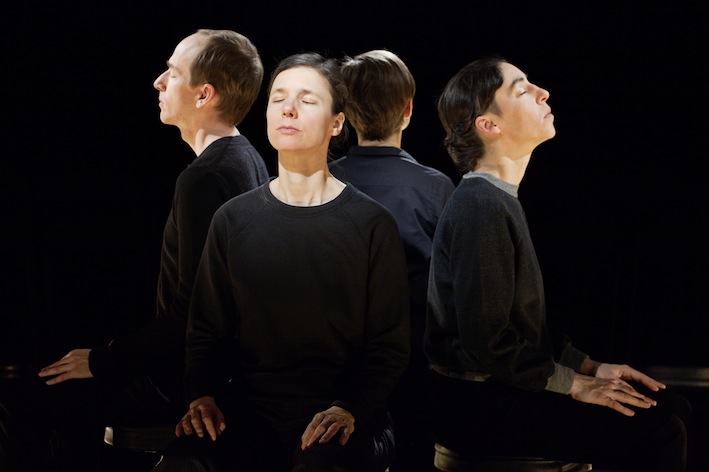
photo: Anja Weber
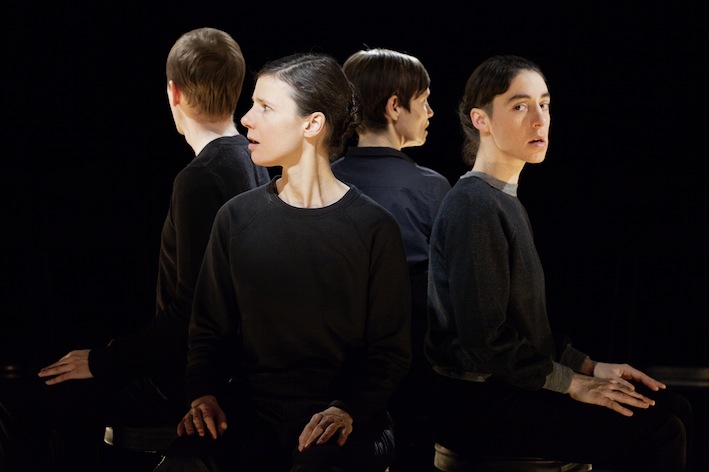
photo: Anja Weber
NEXT : voor kunstenaars „met een smoel“ by Pieter T‘ Jonck, DE MORGEN, 18.11.2010
Die Darstellbarkeit des Anderen ist eine der zentralen Fragen der Theatertheorie und -praxis. In einer theaterwissenschaftlichen Lektüre philosophischer Positionen im Anschluss an Levinas und einer detaillierten Betrachtung von fünf szenischen Arbeiten stellt sich Mayte Zimmermanns Untersuchung dieser Problematik und nimmt szenische Rücksicht auf die Grenzen von Darstellbarkeit.
For Faces, Tom Engels & Lindy Annis
it.
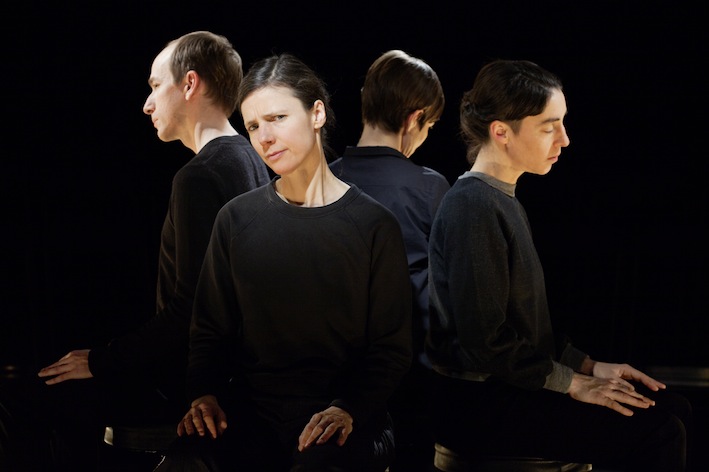
Quattro visi emergono dal buio. Avvolti nella luce soffusa, sono il centro di una piccola arena in cui è seduto il pubblico.
Autobiografia di tutti (secondo omaggio a Gertrude Stein), Silvia Fanti
it.
For Faces, four faces, sono vicino-lontano, sono fronte-lati-nuca, sono scia fisiognomica. All’inizio: l’ovale del volto, il sembiante, è uno spazio in cui vagare, passeggiare, attraversare, distrarsi.
not not a lecture #2, Constanze Schellow
de.
not not a lecture #2. facing for faces by Constanze Schellow
In ihrem Stück „for faces“ (2010) entwirft Antonia Baehr Mikro-Choreografien für vier Gesichter. Im Kreis um die PerformerInnen herum platziert, sitzt man diesen direkt gegenüber – zu nah für die comfort zone Theaterparkett und zu weit entfernt, um die mimischen Umwälzungen auf dem Gesicht des vis-à-vis genau zu identifizieren. Das ‚Antlitz’ wird zur Bühne, auf der sich das Zuschauen selbst in seiner Intimität und Aktivität, Öffnung und Gewalt als theatrale Handlung par excellence sehen lässt. Choreografisch um ihre Entzifferbarkeit als schlüssige Mimik gebracht, setzen die Gesichtsbewegungen einen Zoom der Aufmerksamkeit in Gang, der die PerformerInnen ebenso als Personen vor unseren Augen verschwinden lässt wie er sie dem Sehen radikal zur Verfügung stellt. Die Tanzwissenschaftlerin Constanze Schellow und die Choreografin Antonia Baehr schlagen ein gemeinsames Format vor, um „for faces“ in Abwesenheit des tatsächlichen Stücks zu reflektieren. „facing for faces“ fragt angesichts der konkreten künstlerischen Arbeit auch danach, was Theorie und Choreografie einander und über einander zu sagen haben.
Hier ist der komplette Vortrag: not not a lecture #2. facing for faces
Between Solitaire and a Basketball Game, Tom Engels
Dramaturgical Strategies in the Work of Antonia Baehr
Interview between Tom Engels and Antonia Baehr on her film „For Ida“ and her choreographic piece „For Faces“, published in Bastard or Playmate? Adapting Theatre, Mutating Media and Contemporary Performing Arts.
Robrecht Vanderbeeken, Christel Stalpaert, David Depestel, Boris Debackere (eds.)
Bastard or Playmate? Adapting Theatre, Mutating Media and Contemporary Performing Arts
Amsterdam University Press, 2012
ISBN 978 90 8964 258 5